
Why the global fuel crisis is hitting New Zealand construction (and how you can reduce the impact)
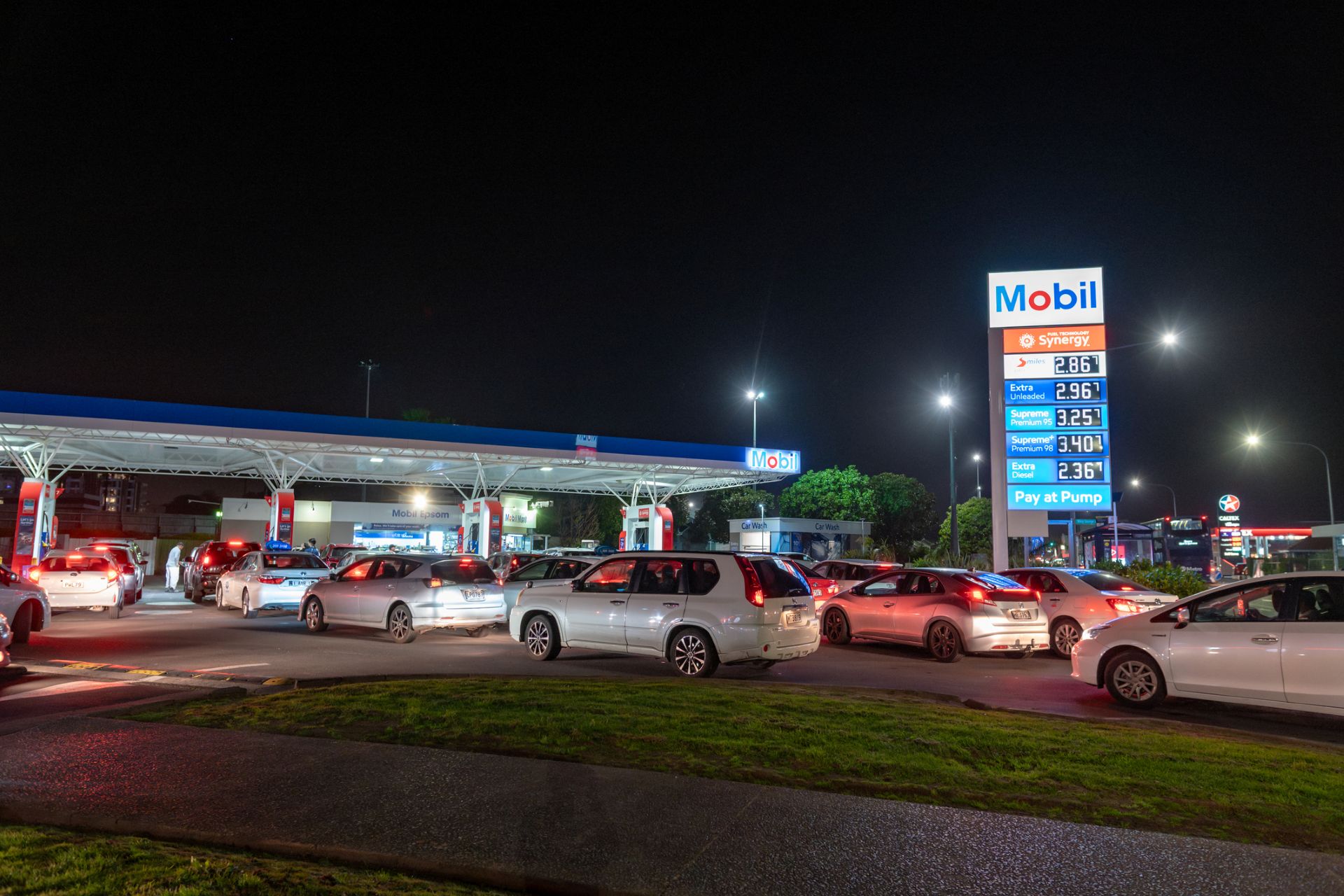
After several years of rapid increases, construction costs in New Zealand had begun to flatten out. But recent global events have already affected that newfound stability.
Today, a new and rapidly escalating pressure is emerging: fuel price volatility.
Why is New Zealand impacted by fuel price volatility?
New Zealand is heavily-reliant on imported fuel – which means any disruptions to global supply chains can quickly flow through to the construction sector. The upshot? Building projects start costing more and taking longer.
Because here’s the thing: when fuel prices rise, so do the costs of traditional construction – from transport and logistics to materials and onsite operations. Prefab construction, by comparison, reduces exposure to these risks.
That’s why we put together this blog. It looks at the factors affecting construction costs, how fuel prices influence these and why the prefab construction benefits are particularly attractive amid uncertain global conditions.
Planning to build? Read on.
What affects construction costs in New Zealand in 2026?
Construction costs in New Zealand are made up of several core components. These include materials, labour, site works, compliance and project management.
While these elements are relatively consistent across most builds, the factors influencing their cost can quickly change. And that’s where uncertainty comes in.
The main factors affecting construction costs are:
1. Material costs
New Zealand relies heavily on imported building materials. That means local prices are influenced by global supply chains, shipping costs and currency fluctuations.
2. Labour availability and wage pressure
A limited skilled workforce can drive up labour costs – especially during periods of high construction demand.
3. Site conditions and accessibility
Challenging sites or remote locations can increase costs due to additional groundwork, transport requirements or specialised equipment.
4. Regulatory and compliance requirements
Council consents, building codes and compliance processes can be a time-consuming and costly part of construction projects.
5. Project timelines and delays
Longer build times can increase labour, equipment and holding costs, particularly if delays occur.
6. Transport and logistics costs
Moving materials, equipment and labour to sites increases overall project costs. This is especially acute in more remote areas.
7. Global energy and fuel prices
The cost of fuel impacts expenses such as transport, material production and onsite operations. This makes fuel an increasingly significant factor in overall construction costs.
How exactly do fuel prices affect construction costs?
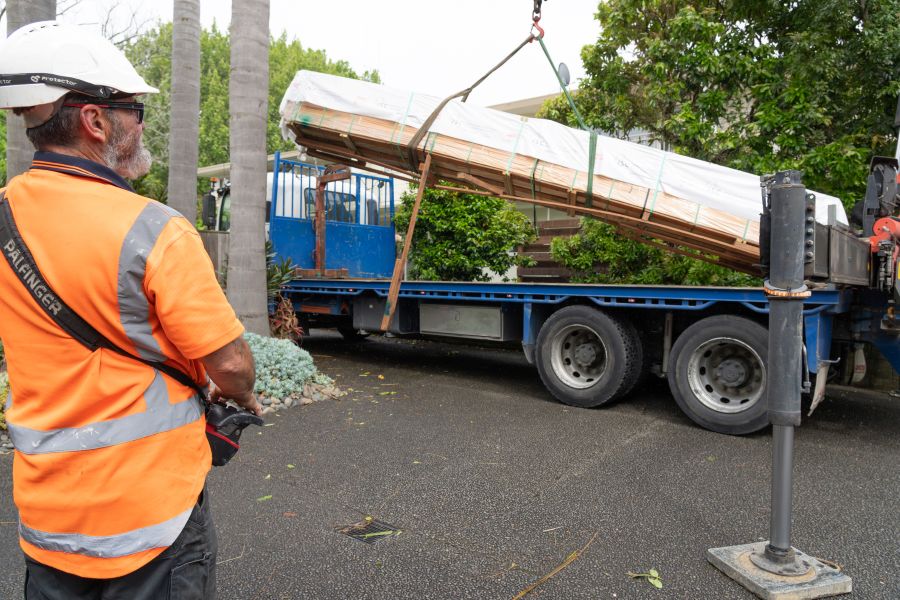
When petrol prices rise, the impact is felt across the entire building process – from transport and deliveries to materials and manufacturing.
Transport and freight
Construction in New Zealand often involves moving materials over large distances – from ports to suppliers and then to site. When fuel prices rise, so do transport and freight costs. These higher delivery costs are typically passed on through the supply chain, adding to a project’s overall construction costs.
Material production costs
Many core building materials (such as steel and concrete) are energy-intensive to produce. A rise in fuel and energy prices can raise manufacturing and processing costs – which are then reflected in the cost of construction materials.
Onsite construction costs
Traditional construction relies heavily on fuel-powered equipment such as excavators, generators and heavy machinery. As fuel prices increase, so does the cost of running this essential equipment – pushing up a build’s onsite expenses.
Programme (timeline) delays and cost blowouts
If fuel supply is disrupted, it can delay the delivery of materials and equipment to site. These delays can extend project timelines which, in turn, increase labour and holding costs. In some cases, this can lead to cost overruns.
Contractual risk and cost uncertainty
Fuel price volatility is increasingly being recognised as a contractual risk in construction projects. However, it depends what you’ve signed up to. In fixed-price contracts, builders may carry more risk if fuel costs rise unexpectedly. On the other hand, variable contracts usually mean these increases are passed onto the client.
Some agreements also include fuel escalation clauses, which can further shift costs and how they’re shared.In summary: fuel price increases affect construction costs at every stage, from manufacturing to final delivery.
Why does fuel price volatility create risk for traditional onsite builds?
Traditional construction is more exposed to fuel price volatility because it relies heavily on diesel-powered activity at almost every stage of the build.
From onsite generators to material deliveries, cranes and ongoing site works, a typical build involves multiple fuel-dependent touchpoints. When fuel prices rise, each of those elements becomes a live cost variable – increasing the overall risk of budget changes throughout the project.
New Zealand’s geography adds another layer of exposure. Long distances between suppliers, manufacturers and building sites mean transport plays a significant role in construction logistics.
Timing also plays a critical role. Once a traditional build is underway, key costs are often locked in – making it difficult to absorb unexpected fuel spikes. These additional costs may then be passed onto the client through variations. The difficulty here is that this level of exposure is not always obvious at the contract-signing stage. What appears to be a fixed or predictable budget at the start can become more uncertain as fuel prices shift during the build.
How does offsite prefab construction help mitigate fuel-driven cost surges?
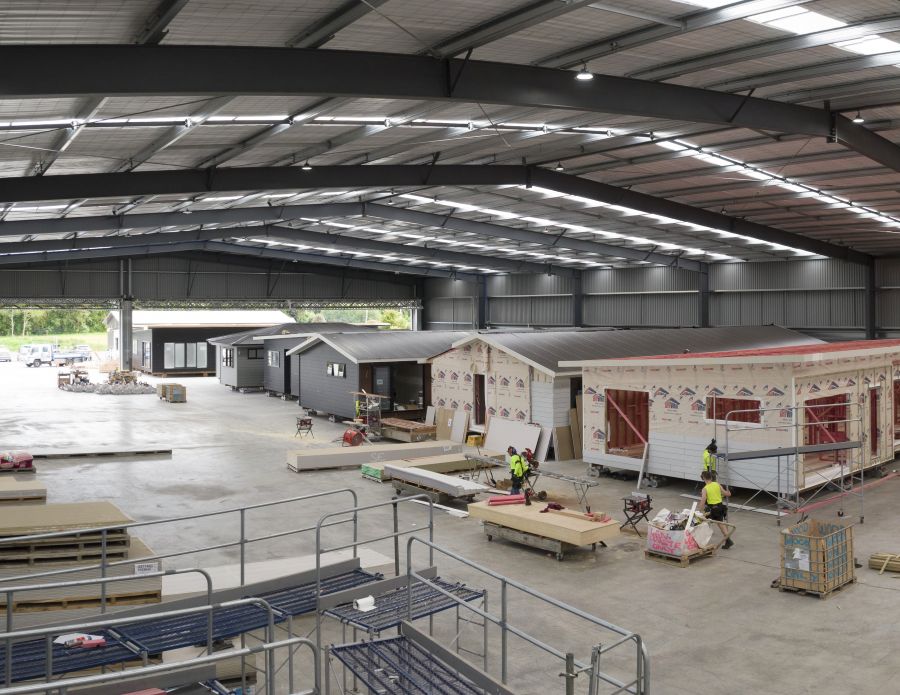
Prefab construction reduces cost risk by moving much of the building process into a controlled factory environment. This approach means projects are less exposed to the fuel-dependent transport, logistics and onsite activities that tend to drive up costs in traditional builds.
Prefab construction reduces cost risk by:
- Reducing transport movements
Fewer deliveries are needed because most of the building occurs in one factory.
- Centralising construction in a factory
This reduces the need for transporting labour, equipment and materials to the building site.
- Shortening build timelines
Faster construction means less time for fuel-related costs to accumulate throughout the project.
- Locking in pricing earlier
Factory-based processes allow for more transparent, upfront pricing. This minimises the risk of mid-project cost increases.
- Minimising delays caused by supply disruptions
Because materials are sourced and managed centrally, any delivery delays have less of an impact on projects.
- Reducing onsite labour travel
If fewer tradespeople are traveling to and from site, the project’s overall fuel consumption decreases.
Understanding the impact of fuel costs across different builds
Fuel-related cost pressures don’t affect every build project in the same way. Factors like location, project size and site complexity all influence how prone a build is to rising costs.
For rural and remote builds, the impacts are often felt more sharply. Materials, equipment and labour might need to travel vast distances to reach the site – which increases fuel usage and, therefore, overall project costs.
Larger or more complex builds can also be sensitive to rising energy costs: more materials, deliveries and onsite activity all contribute to a higher dependency of fuel.
Even standard residential builds are not immune. As fuel prices climb, transport and supplier costs will, too. That can feed into material pricing and overall project budgets.
Prefab construction offers a practical way to reduce this risk. When production is centralised and onsite building activities reduced, projects become more predictable. Clients can enjoy certainty around cost and timeline – giving them peace of mind and reducing project stress.
Building during fuel volatility?
Prefab construction is the smart choice. As global events continue to unfold, fuel prices will keep shifting and, inevitably, impact construction costs.
While you cannot control these external factors, you can choose how to plan and structure your homebuilding project. The prefab approach is a more predictable, lower-risk way of building because it reduces your exposure to fuel-driven cost increases and delays. Book in a consultation with the Advance Build team today.