
Renovating vs replacing: why a new ablution block can cost less than a reno
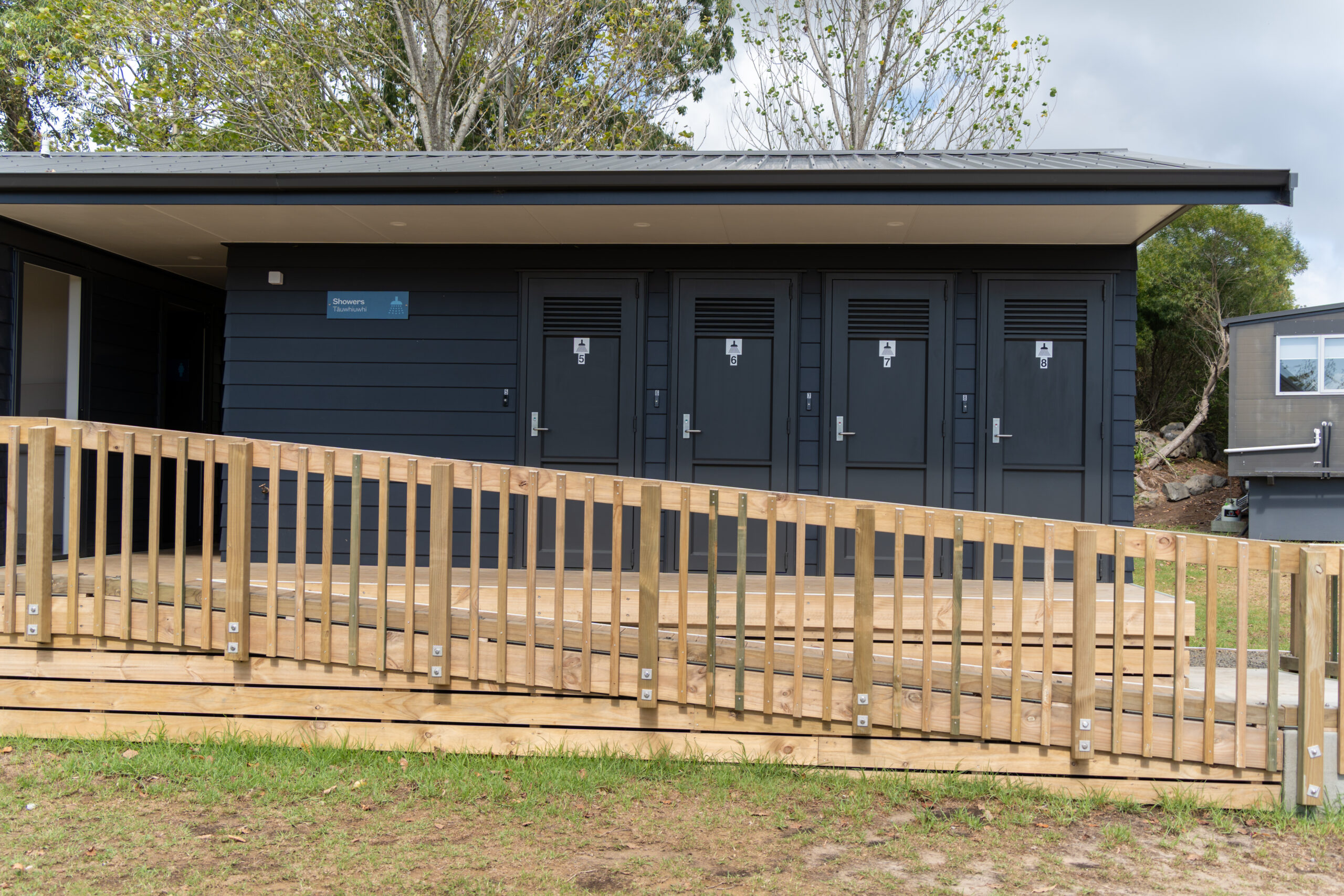
Discover why many operators find that renovating an ageing ablution block can rival the cost of a new prefab build – and how prefab solutions deliver greater certainty, compliance and long‑term value.
What if renovating your ablution block actually costs more than building a new one?
Renovating an ageing amenity block often feels like the cheaper, safer option. On the surface, an ablution block renovation project can look like a practical way to freshen up tired facilities without committing to a full replacement. But once you look beyond paint, fittings and patch repairs, the maths can shift quickly.
For many holiday parks, marae and community facilities, the real comparison is not simply renovation versus rebuild on upfront price alone. It is whether a renovation will deliver enough lifespan, compliance and operational certainty to justify the disruption. In most cases, replacing an older ablution block with a new prefab solution will prove better value over time for your marae, community facility or holiday park.
This article will help you answer a straightforward question: is it cheaper to renovate or replace an ablution block? For many older facilities, replacement can be the smarter financial decision once hidden costs, downtime and future maintenance are properly factored in.
The renovation trap many operators fall into
Renovation often starts with good intentions. A block looks tired, fixtures are dated, and the first instinct is to upgrade what is already there. That can feel lower risk than starting again.
The problem is that older ablution blocks rarely reveal their full condition until work is underway. What begins as a tidy-up can turn into a deeper strip-out once plumbing, drainage, waterproofing or structural issues come to light. Add compliance upgrades and site disruption, and the scope can expand well beyond the original quote.
Many operators are surprised to find that, once hidden costs are added up, a full renovation can rival the cost of a new build, while delivering a fraction of the remaining lifespan.
The true cost of renovating an ablution block
A cosmetic refresh and a full renovation are not the same thing. Replacing fittings, repainting walls and improving finishes may be manageable if the building is fundamentally sound. But once a project involves opening walls, replacing services or reworking wet areas, the cost profile changes significantly.
The hidden costs of renovating an ablution block often include:
- Corroded plumbing and non-compliant drainage, which may only become visible once fixtures and linings are removed.
- Structural issues, including water damage, movement, rot or age-related deterioration in the original building.
- Failed waterproofing, especially around showers and other wet areas, which can trigger more extensive remedial work.
- Asbestos or other hazardous materials in older structures, requiring specialist removal and additional cost.
- Compliance upgrades, including accessibility requirements under NZS 4121 – as outlined on the Building Performance site, and ventilation, hot water systems and other current code expectations.
- Multiple trades and scheduling conflicts, which can increase labour costs and extend programme time.
- Restricted access on a live site, where trades need to work around guests, staff, operations and partial closures.
- Revenue loss while facilities are offline, particularly if the work stretches into a busy season.
- Ongoing maintenance after completion, because a renovated block is still an older building with ageing systems and a shorter remaining life than a new build.
That final point is often underestimated. A renovation may improve presentation, but it doesn’t reset the building’s lifespan. Operators can still end up managing future repairs, maintenance callouts and replacement of ageing components long after the renovation is complete.
For anyone weighing the cost of renovating an ablution block, the total cost is not just the builder’s invoice. It is also the cost of uncertainty, disruption and continuing maintenance.
What a new prefab ablution block actually costs
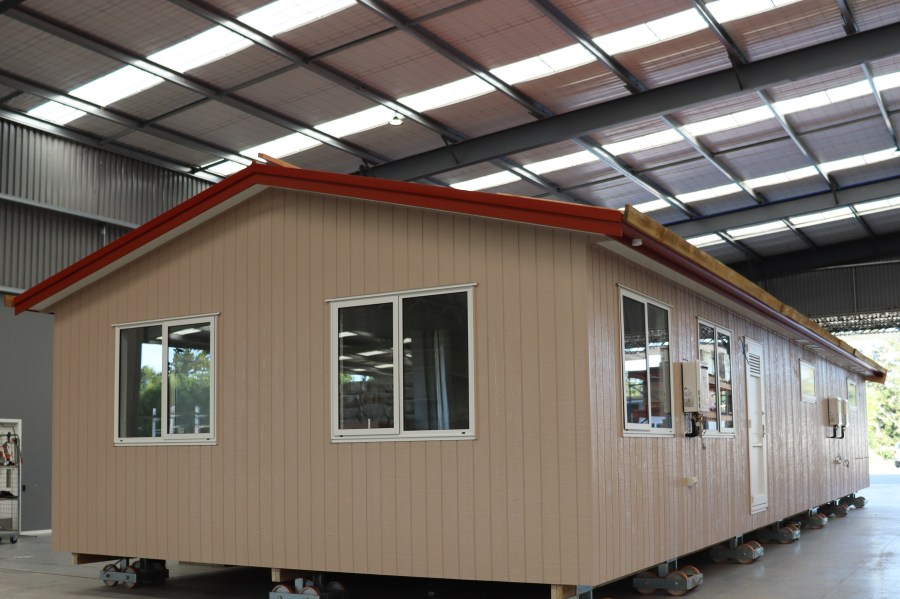
A new prefab ablution block offers a clear path to cost certainty, with a fixed-price contract and guaranteed completion date confirmed once site requirements are assessed and council and engineering reports are finalised.
That matters because one of the major advantages of a prefab ablution block cost is not simply a lower upfront number but greater certainty. It is the ability to make a decision with fewer unknowns. Rather than discovering hidden defects midway through construction, operators move through a structured process that clarifies scope early on.
Advance Build’s approach is staged. It starts with an honest assessment of the site and the facility required. Once the scope is clearer, the project can move towards a fixed-price contract and a guaranteed completion date based on confirmed site requirements and final council and engineering information. The fixed price is confirmed at contract stage once site requirements are assessed and all council and engineering reports are final.
A new prefab block also reduces disruption. Most of the construction happens offsite in a controlled factory environment, so the facility is only out of action briefly for delivery and connection rather than for the full length of an on-site renovation. For an operating holiday park, campground or community site, that can make a major difference to both guest experience and day-to-day operations.
Advance Build’s prefab ablution blocks are long-term, compliant, insulated and hard-wearing facilities built for commercial and community use. Depending on the site, they can include:
- Toilets and showers
- Basins
- Lighting and ventilation
- Accessible cubicles
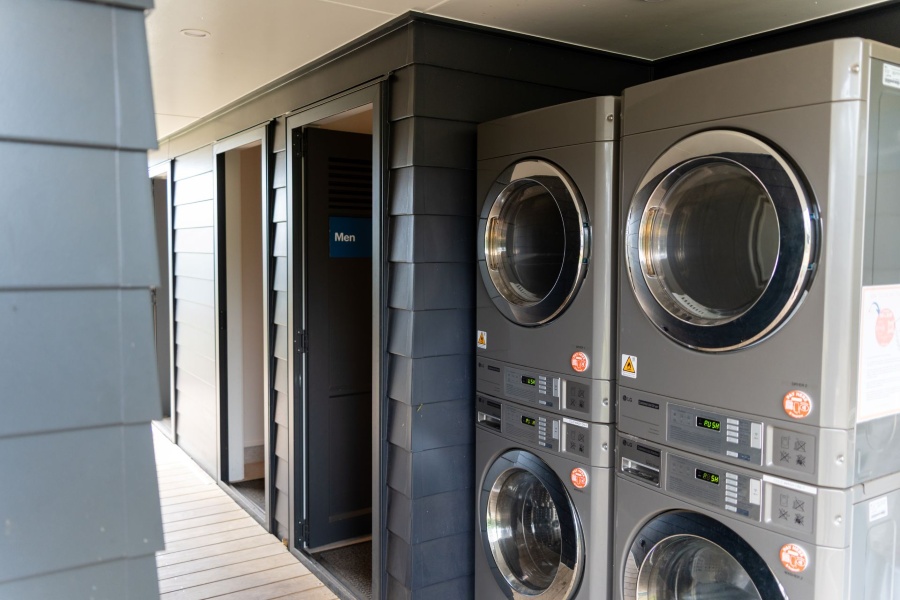
- Laundry areas with sinks and washing machine hookups
- Kitchens
- Storage
- Meeting rooms
Layouts can also be tailored to suit how the site actually operates, whether that means unisex, split male/female or family-style arrangements. For holiday parks in particular, that flexibility matters because amenities are not just about compliance. They shape the guest experience, help keep facilities easy to maintain under heavy use and can influence repeat stays.
So how much does a prefab ablution block cost in New Zealand? The answer depends on layout, size, specification, services and site conditions. That is why specific prices should come from a project assessment rather than a generic estimate. The more useful comparison is whether the project offers certainty, a full new lifespan and less disruption than a renovation.
Renovation vs new build: a direct comparison
Here’s how renovation and a new prefab build compare across the key considerations that matter most to operators:
| Renovation | New prefab build | |
| Cost certainty | Low: hidden issues common | High: fixed-price contract* |
| Timeline | On-site build; finish date can push out | Guaranteed completion date, fixed at contract |
| Disruption to guests | High: tradespeople on-site for weeks | Low: delivery and connection takes days |
| Compliance | May require upgrades to meet current code | Built to comply with the Building Code from day one |
| Lifespan outcome | Extended old structure, same lifespan clock | Brand new build, full lifespan from day one |
| Peak season risk | High: facilities out of action for the length of the reno; delays can push into summer | Low: built off-site means facilities are only out of action for a short period of time |
| End result | Upgraded old building | New facility purpose-built for your site |
The key takeaway is that renovation tends to carry more uncertainty at almost every stage. Even a well-planned renovation can become disruptive if hidden issues are uncovered or the programme slips.
A prefab solution changes that risk profile. Because most of the work is completed offsite and delivered ready to connect, operators get minimal disruption to guests and operations, less management burden on site and a clearer path to having facilities ready when they are needed.
When does renovation actually make sense?
Renovation is not always the wrong choice. In some cases, it is the sensible option.
Renovation can make sense when:
- The work is genuinely cosmetic only, such as paint, fixtures and fittings.
- The building is structurally sound and already in good condition.
- The facility is under 10 years old with no compliance issues and no major service concerns.
- Budget is genuinely constrained and full replacement cannot yet be staged.
Renovation can be a good option when a simple upgrade will do the job, but for ageing facilities with deeper issues, replacement is often the smarter choice.
| Case study: New prefab block delivered on time and on budget for Ahipara Top 10 Holiday Park
Advance Build’s work with Ahipara Top 10 Holiday Park is a practical example of why prefab can outperform renovation uncertainty. Faced with outdated facilities and the need to have new amenities ready ahead of peak season, the park opted for a new prefab ablution, kitchen and laundry block – delivered in just four months – rather than a drawn-out on-site upgrade. The Ahipara Top 10 Holiday Park team valued the certainty Advance Build gave them: That result goes to the heart of the prefab argument. Rather than coping with an uncertain renovation while guests and staff work around the disruption, the park received a new facility on a defined timetable ready for peak season. “What I would say to other holiday park owners considering Advance Build is to go for it, you will not regret it.” |
The smart operator’s choice
For many holiday parks, marae and community facilities with ablution blocks more than 10 years old, the better question is not whether renovation looks cheaper at first glance. It is whether that spend gives you enough certainty and enough lifespan to make it worthwhile – and how much downtime and disruption the reno causes.
In many ablution block renovation vs new build decisions, a prefab solution offers better long-term value than patching an older facility. For operators comparing prefab ablution block cost against the real cost of renovation, the combination of cost certainty, minimal disruption and a full new lifespan can make replacement the smarter path.
Advance Build starts with an honest assessment and then moves towards a fixed-price contract once the necessary site, council and engineering inputs are complete. That gives operators a clear, staged path to decision-making rather than a vague estimate that shifts later.
Ready to find out whether a new prefab ablution block makes sense for you?
Talk to Advance Build for an honest assessment and a clear path to a fixed-price contract: advancebuild.co.nz/commercial/prefab-ablution-block-solutions/