
Planning to build a home in a remote location?
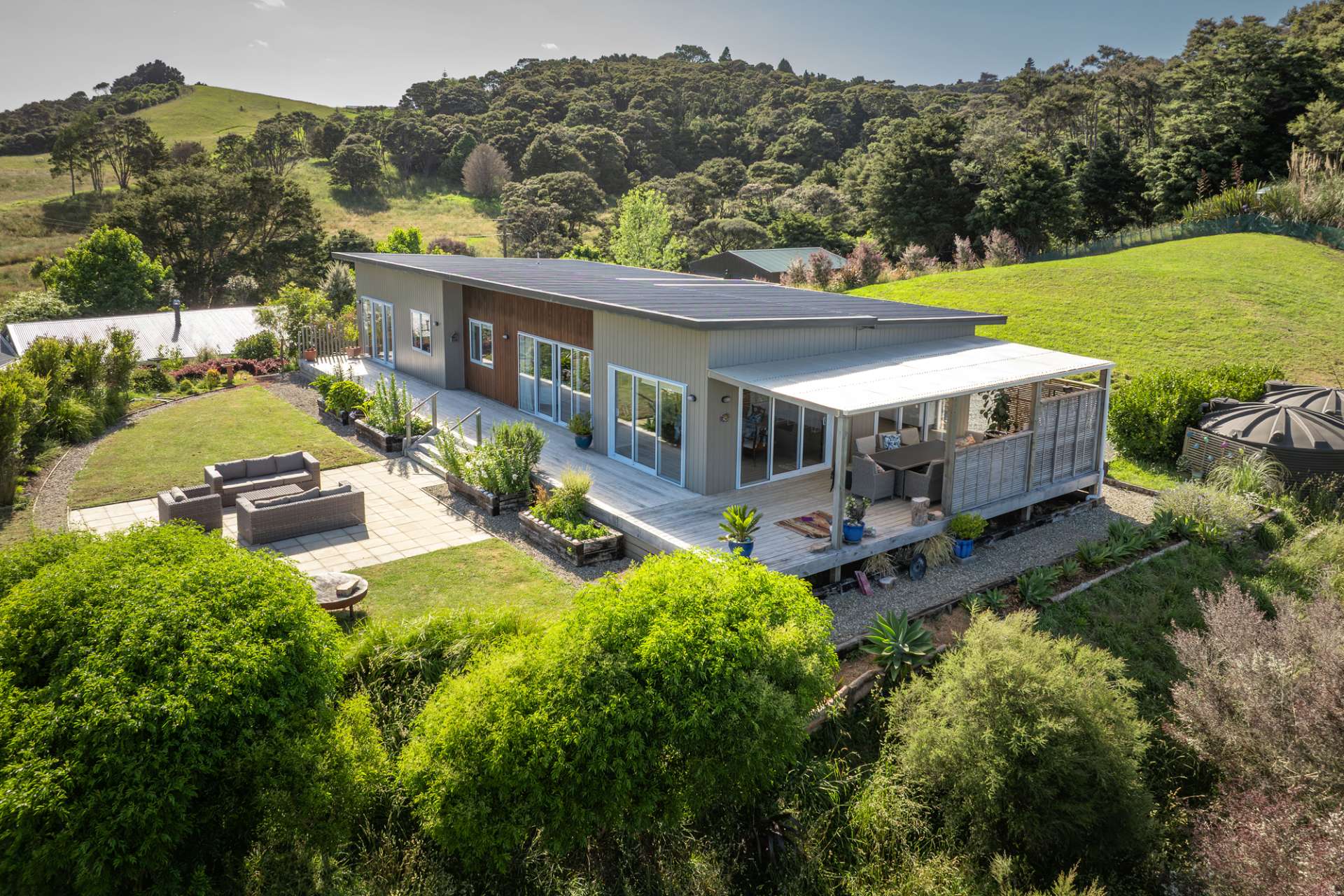
Make it a reality with Advance Build’s prefab construction
Living, holidaying or retiring away from the urban bustle appeals to many Kiwis. People are often drawn to remote home construction because they want to:
- Enjoy the privacy, space and beautiful settings of remote places
- Feel connected to the surrounding land
- Embrace a more sustainable way of life
- Rely less on utilities in the long-term.
Of course, building away from city centres poses certain challenges. Even experienced rural home builders face complexities including:
- Site access and transport limitations
- Construction logistics
- Costs and extended build timelines.
This is where offsite construction becomes a game changer. Advance Build’s factory-built, prefabricated homes are designed to simplify remote home construction. This approach reduces onsite hassles, minimises delays and delivers high-quality builds within budget.
Here, we’ll look at what to expect when building in remote locations, why prefab is a smart option and how other Advance Build clients have turned their dream homes into reality.
What does building in a remote location actually involve?
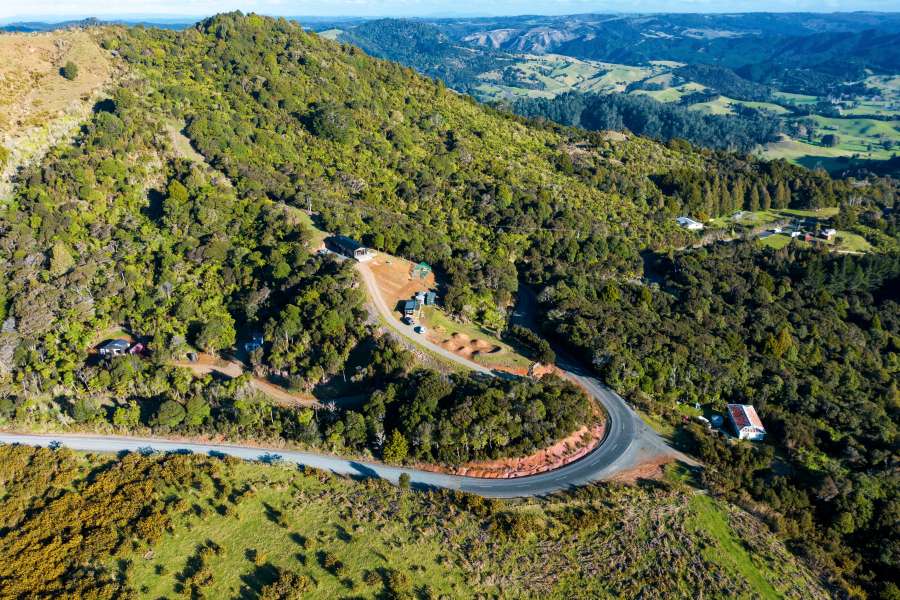
When we talk about building in remote locations, we don’t necessarily mean in off-grid places. Many rural builds are simply a long way from urban centres and standard construction infrastructure.
A site is generally considered remote when it involves one or more of the following:
- Long distances from towns, suppliers and services
- Limited or narrow access roads
- A lack of infrastructure (e.g. limited cell coverage, no utility connections etc.)
These factors can create significant constraints during rural home construction.
Rural house builders often encounter:
- Restricted site access for trucks, cranes and materials
- Fewer local trades – meaning more travel time and labour costs for tradespeople
- Extended build times, which can increase exposure to weather and the risk of delays.
It’s easy to see how traditional construction on remote sites can become slower, more labour-intensive and harder to manage. Every extra delivery, trade visit or weather delay only adds complexity and cost.
Offsite construction helps overcome many of these issues. That’s because when your home is constructed in a controlled factory environment, you reduce:
- Onsite build time
- Onsite labour requirements
- Delivery of material and handling.
All of which makes remote builds more efficient, predictable and cost-certain.
What should you consider before starting a remote build?
The regulatory steps for rural home construction are largely similar to any residential build. However, remote locations generally add extra layers of planning and logistics. Experienced rural home builders know that success comes down to thorough (and early) site preparation.
That means considering questions such as:
How accessible is the site?
Site access is one of the most important considerations for rural house builders. They need to look at the:
- Quality and width of access roads
- Turning space for delivery trucks and cranes
- Seasonal access issues (e.g. muddy farm tracks or alpine roads in winter).
For example, the Northland area is prone to intense rainfall, which can increase the risk of landslides and road washouts. While you can never entirely predict weather, planning around seasonal rain will reduce the risk of delays and disruptions.
How will you connect services?
Even in today’s modern world, connecting services in remote areas is often more complex. You or your builder will need to consider:
- The distance and availability of power
- Water supply (e.g. rainwater tanks, bores or rural schemes)
- Wastewater solutions (e.g. septic systems).
Rural house builders like Advance Build will coordinate these services early to avoid delays later on.
Have you allowed for budget contingencies?
If you’re taking the traditional route, you’ll need to budget realistically – and allow some buffer. That’s because you’re likely to experience a few unwelcome surprises along the way, such as:
- Transport and delivery costs
- Weather-related delays
- Limited availability of local trades.
Prefabricated construction, on the other hand, simplifies logistics and shortens build time – helping keep budgets predictable.
What regulatory approvals are needed?
Whether you’re building in a city centre or miles from the nearest town, your home must meet certain standards. Every council is different (so make sure you check with yours), but most builds need:
- Resource consent (if required)
- Building consent and inspections
- Compliance with the local council.
The Advance Build team is familiar with councils spanning the Far North, Waikato, Whangarei and Kaipara regions and can take care of this entire process for you.
What challenges can you expect when building in remote locations?
Like we touched on first up, remote projects can bring challenges that go beyond standard residential builds. Distance, access and environment all add complications – particularly when relying on traditional onsite methods.
Some of the most common challenges of off-grid home construction and remote / rural builds include:
- Transporting materials and crews
Moving building supplies and construction teams to remote locations increases the time, fuel costs and coordination effort. - Weather exposure and delays
Wind, heavy rain and winter conditions (common in regions like Northland) can stall onsite works for days or even weeks. - Availability of local trades
Fewer local builders, plumbers and electricians often means long travel times for tradespeople, increasing the overall project duration. - Higher costs from extended timelines
Repeated site visits, delayed deliveries and downtime can quickly lead to budget overruns.
With traditional onsite builds, each of these challenges compounds the next – increasing the risk of delays, rising labour costs and budget blowouts.
How offsite construction reduces these risks
Building offsite addresses many of the obstacles rural home builders face. That’s because:
- Homes are largely built in a controlled factory environment*, reducing weather-related delays
- Fewer deliveries to site are needed, easing access and transport constraints
- Reduced onsite labour means fewer trades travelling long distances
- Shorter installation time minimises site disruption and extended timelines.
*Advance Build constructs every home in a weathertight factory, but not all prefabricated builders do.
Why prefabricated construction is a smart path for remote builds
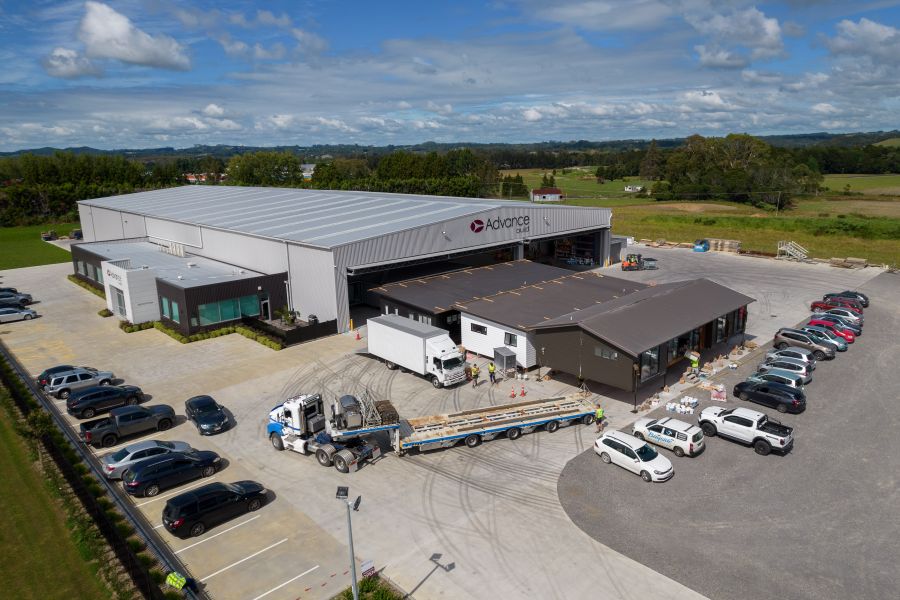
In remote and rural settings, the prefab building approach offers clear advantages over traditional onsite builds.
Prefabricated builds vs traditional onsite builds
| Consideration | Prefab construction | Traditional construction |
| Build location | Majority of the home is built offsite in a controlled environment. | Entire home built onsite. |
| Onsite activity | Short installation / connection phase (often only days) | Extended onsite build timeframe. |
| Weather exposure | Minimal: most construction protected from the elements. | High: weather can delay multiple build stages. |
| Site access requirements | Fewer deliveries and site visits. | Ongoing deliveries throughout the project (e.g. materials and machinery). Trades also need regular access. |
| Labour requirements | Reduced onsite labour needs. | Multiple trades needed onsite, usually over months. |
| Land impact | Less disruption to rural or remote sites. | Greater site disturbance over time. |
| Cost- and time-certainty | More predictable pricing and timelines. | Higher risk of delays and cost overruns. |
Designed for New Zealand’s remote conditions, Advance Build’s prefabricated homes provide rural home builders with a faster, more predictable way to deliver quality homes.
Design considerations: what should I think about for a remote home?
Remote and off-grid home construction isn’t only about access and logistics. It’s also about the long-term comfort, performance and endurance of your home – all of which depend on smart design.
In rural and remote locations, good design decisions can reduce energy consumption, improve liveability and future-proof a home.
Key design principles for remote homes include:
- Passive solar orientation
Positioning your home to maximise sunlight helps improve warmth and natural light.
- High-quality insulation and glazing
Well-insulated exterior walls, roofs and floors (along with efficient glazing) support temperature control across our diverse climate zones.
- Ventilation and airflow
Thoughtful ventilation design helps manage moisture and heat – particularly in coastal or humid environments.
- Layouts to suit long-term and family living
Designs to support comfortable, functional family living or extended occupation.
- Durable materials
Rural and coastal areas often require materials that can withstand wind exposure, salt air or cold winters.
Across New Zealand, our climate varies greatly – from cold inland winters to windy, high-UV coastal areas. Designing for these conditions upfront improves a home’s comfort and reduces maintenance over time.
Future-proofing your remote home
Smart remote home design also considers how needs may change. That means:
- Allowing for future solar panel or battery storage
- Designing rooflines and services to support energy upgrades
- Planning for room additions or layout changes.
Prefabricated homes support this level of forward-thinking by allowing greater design and construction precision. This helps create efficient, adaptable remote homes that are suited to their natural surrounds.
How do I choose the right rural home builder?
As we’ve covered, remote and rural building brings a complexity that doesn’t exist in suburban construction. Access, logistics, weather and council processes all play a bigger role – which is why know-how matters.
Experienced rural and off-grid home builders understand how to plan for these challenges from the start, instead of reacting to issues once a project is underway.
What you should look for in a rural home builder:
- Proven experience delivering rural or remote builds
- Expertise in offsite and prefabricated construction
- Understanding of off-grid systems and service coordination
- Knowledge of local council consent processes
- Strong logistics planning for transport and site constraints.
Advance Build is one example of a builder with these capabilities. Our team combines prefab expertise and experience working on rural and hard-to-access sites across the upper-North Island.
Margot’s story: Why we love our Advance Build home
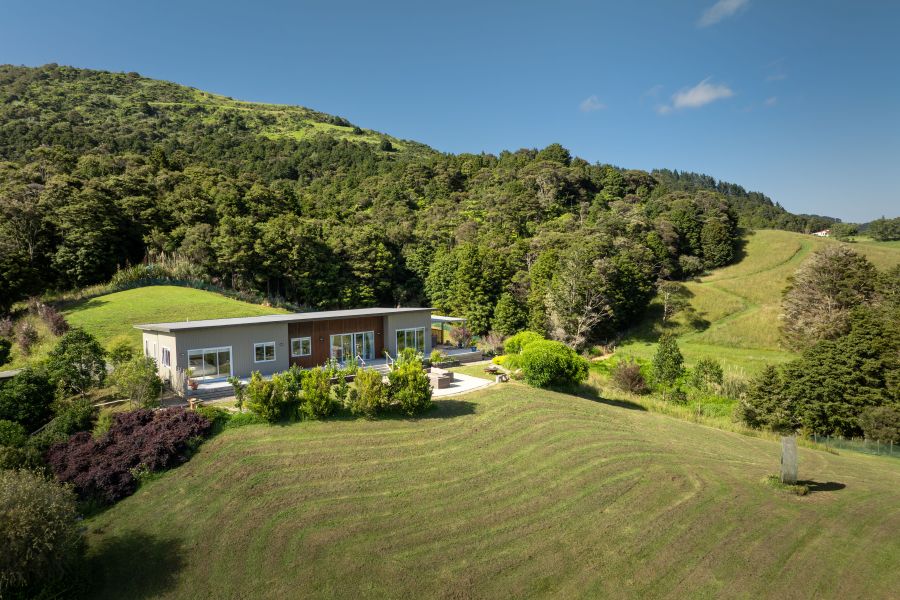
‘Everything went smoothly and was very well organised by Advance.’
Building a home on a rural property can feel daunting – especially when you’re living in the city during the week. That’s why Margot Denford turned to a prefabricated solution from Advance Build.
‘We didn’t have the time or experience to project manage a new build and we didn’t want to pay for builders and tradesmen coming and going every day to our rural property along dusty, narrow lanes.’
Project overview
Location: A rural North Island farm
Home size: 162 sq metres
Prefab solution: Fully customised Oasis 3
Key challenges: Access via narrow lanes, two gates and a paddock.
How Advance Build successfully delivered the build
- Secured resource consent before factory construction began
- Guided Margot through the design and planning phases
- Handled all construction in their Waipapa-based factory
- Carefully coordinated delivery, with pre-inspection of site access and minor adjustments (tree trimming) on the day
- Installed the two halves onto prepared foundations and completed finishing touches.
Why Margot loves her new home
- Efficient, stress-free process – despite living away during construction
- Customisable design, including room layouts, paint, tiles, kitchen features and lighting
- Comfortable rural living in a fully-finished, high-quality home.
Prefab: the smart way to build a remote or rural home
Remote builds need careful planning – but they don’t need to be complicated. Taking the prefab path reduces risk, shortens build times and simplifies rural, remote and off-grid home construction.
And the right home builder makes all the difference.
Book a consultation with the Advance Build team today or explore our prefab home range here. You can request floorplans or pricing guidance – or visit a show home to see for yourself.