
Building your dream home: how to avoid (most) delays
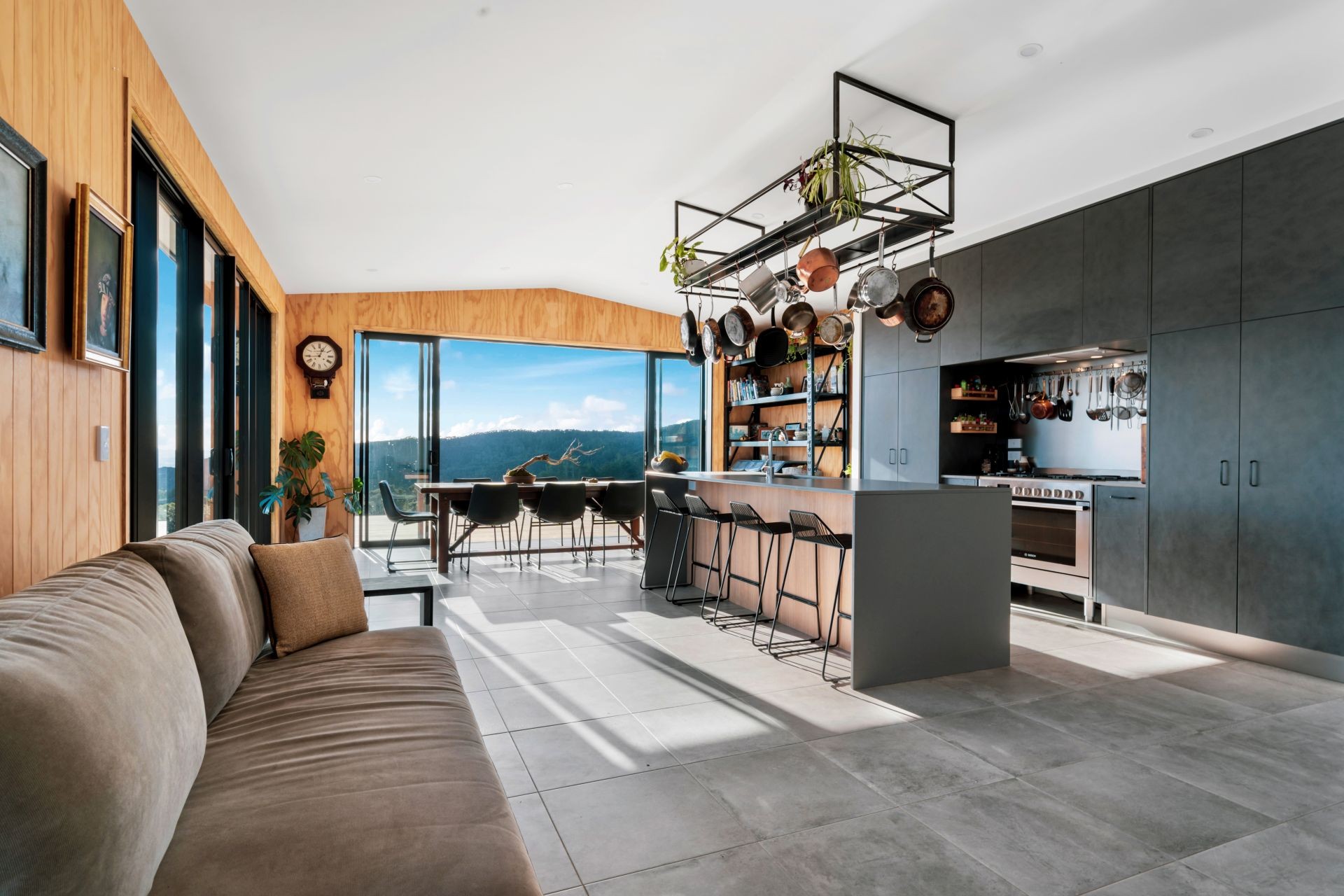
One of life’s biggest milestones is building your own home. The journey is exciting, rewarding and full of anticipation – but it’s also likely to include delays along the way.
So what happens when the timeline doesn’t go to plan?
First: remember delays are a normal part of any dream home journey. But many of the common pitfalls are avoidable – which is what we’re exploring in this blog.
After 17+ years in the building industry, we’ve learned a lot about keeping projects on track. And one of the biggest advantages we have as a prefab manufacturer is constructing in a purpose-built, controlled factory environment. This single difference removes many of the delays (such as weather setbacks) that slow down traditional construction.
Let’s take a look at why residential building delays happen, where they tend to crop up and how you can stay ahead of them.
What are the common causes of construction delays?
Before we look at how to avoid delays in construction, it helps to understand why they happen in the first place. There are three main culprits – all of which can affect any homeowner.
Weather-related delays
New Zealand’s climate is one of the biggest residential construction challenges in traditional onsite building. That’s because most of the building work happens outdoors, meaning progress slows (or even stalls) when the weather turns.
Common examples include:
- Heavy rain slowing down foundation work or stopping earthworks entirely
- High winds preventing roofing or lifting operations
- Cold or damp conditions delaying concreting.
Material and supply chain issues
The sequential nature of building means that even one delayed item can impact your timeline. And, because traditional onsite construction relies on materials arriving just in time, these setbacks can leave you and your builder waiting.
Delays often occur because:
- Materials are out of stock
- Freight shipments are held up
- Speciality items (e.g. windows or custom joinery) have extended lead times.
Council and compliance hold ups
Council approvals are a standard part of residential construction, but they don’t always move quickly.
Common council-related residential construction challenges include:
- Extended wait times for building consents
- Requests for additional or revised information
- Inspection backlogs, especially during busy periods.
These steps are essential to ensure your home meets NZ Building Code requirements – but they can slow things down if not managed well.
How Advance Build reduces the risk of delays
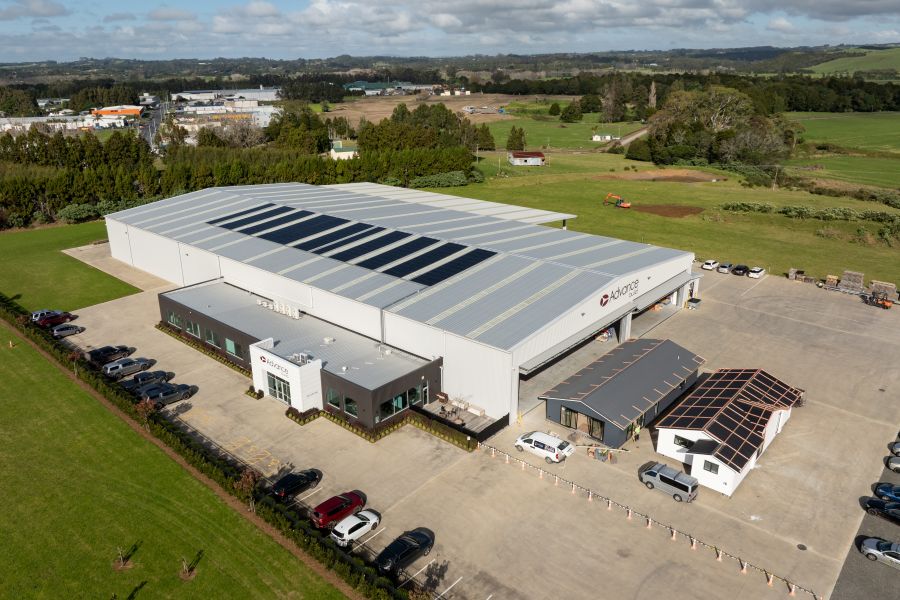
The good news? Many of the delays that affect traditional builds disappear when you go down the prefabricated route. This approach gives you far greater confidence in your timeline, so you can plan and budget accordingly – without the stress.
Here’s why.
Indoor construction means fewer delays
Advance Build constructs every home inside its weather-tight factory. This protects your new house from outdoor conditions and means you can avoid:
- Weather delays
- Water damage
- Waiting for materials to dry.
Offsite building prevents overruns
Efficient, offsite construction stops projects dragging on – and the costs of extended timelines. For example, hiring scaffolding or temporary amenities for longer than expected will increase overall cost.
Without overruns like this, Advance Build can offer a guaranteed completion date. This gives you certainty (and peace of mind) around planning, finances and move-in timeframes.
An expert team keeps projects moving
With many traditional (and even other prefab) builds, homeowners are often left coordinating multiple contractors themselves. Whether architects, engineers, surveyors or councils, each handover introduces another opportunity for delays.
With Advance Build, you don’t have to manage any of that. Our experienced team takes full responsibility for the entire process, working directly with all third parties on your behalf and drawing on in-house expertise where possible. This single point of accountability reduces bottlenecks, streamlines processes and keeps projects moving.
You are kept updated every step of the way, with regular progress reports outlining exactly where your project is. This clear and transparent communication removes the guesswork and keeps you in the loop throughout your journey.
But…site works can still cause delays with prefab
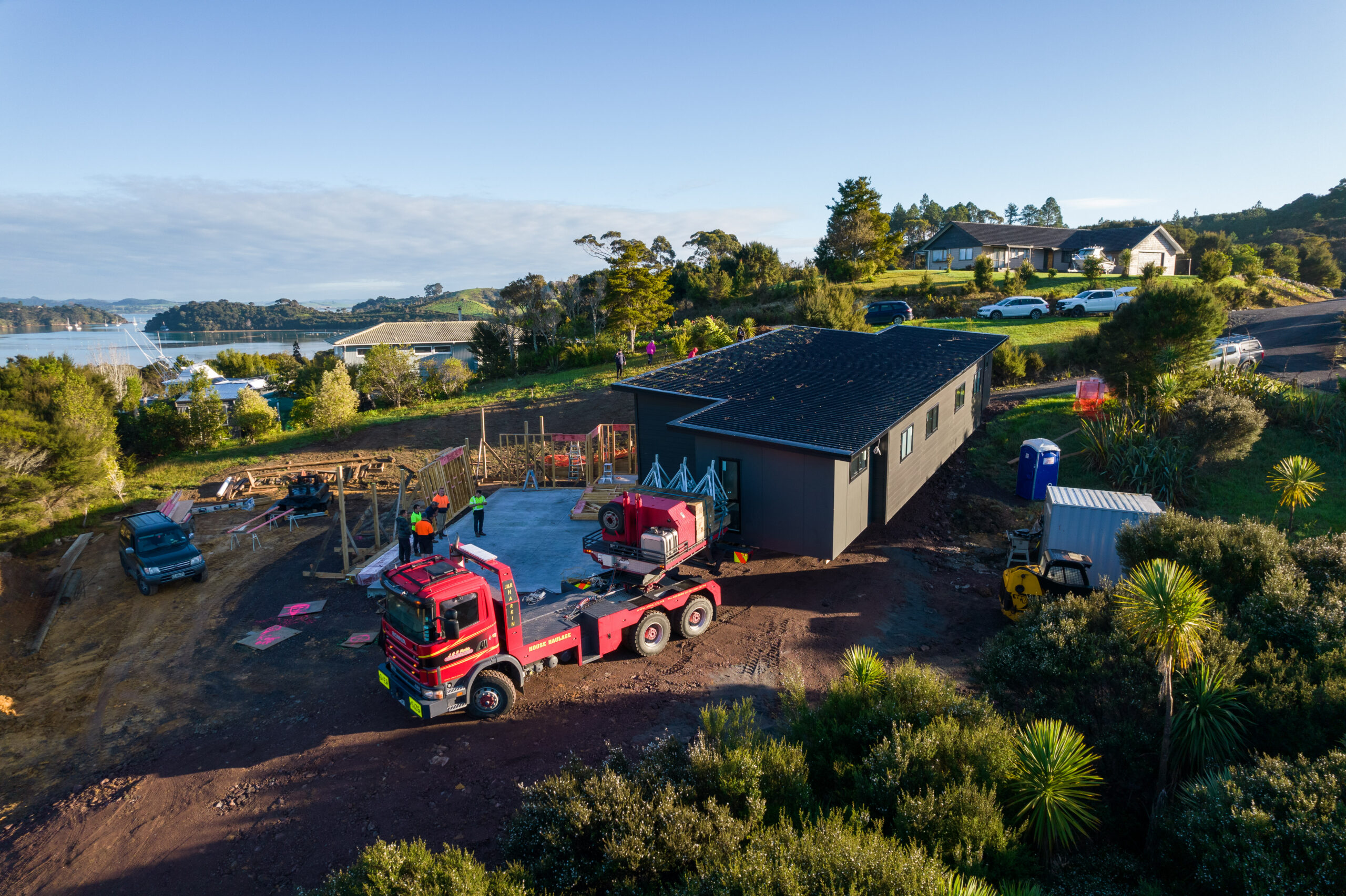
Despite the certainty of factory construction, it’s important to understand some aspects of your build still rely on external factors. While your home itself is completed within a guaranteed timeline, there are still a few areas that can slow your project down.
Site works
Site works delays are common, simply because they are completed outdoors. This means they’re susceptible to one of the biggest delay factors: weather. When the ground is wet or unsafe, trades can’t complete work on elements such as:
- Driveways
- Drainage
- Utilities
- Water tanks
- Landscaping.
Foundations
Before your home is delivered to site, the foundations must be prepared. This work, however, is heavily influenced by ground conditions.
Delays can occur when:
- More geotechnical work is needed
- Soil requires extra preparation
- Weather prevents trades from working (e.g. during heavy rain).
Council approvals
Council consents are one of the most common causes of construction delay in New Zealand. While Advance Build manages this process for you, timelines ultimately depend on councils and the individual building requirements of each project.
5 tips to stay confident during your build
Even with the best planning, every home build has moving parts. Here are a few ways to manage construction delays and keep your project running smoothly.
1. Be flexible
Give yourself a small buffer around key dates (e.g. move day). It takes the pressure off and ensures any minor onsite delays don’t disrupt your broader plans.
2. Discuss site preparation early
Talk with your builder about foundations, access and ground conditions before you start. This will help avoid surprises along the way.
3. Stay focused on the certainties
Advance Build homes are built in a controlled factory environment, giving you a guaranteed completion date. So even if there’s minor slippage along the way, the largest part of your project remains predictable and on schedule.
4. Keep communications open
If your builder is like Advance Build, they’ll provide regular, proactive updates. These frequent check-ins give you total transparency about where your project is at – without the worry of managing it yourself.
5. Remember that delays don’t spell doom
Setbacks will emerge in every residential build, but they don’t have to define the project. When you know what’s normal, it’s easier to stay confident (and even enjoy the journey!)
Ready to build your dream home with confidence?
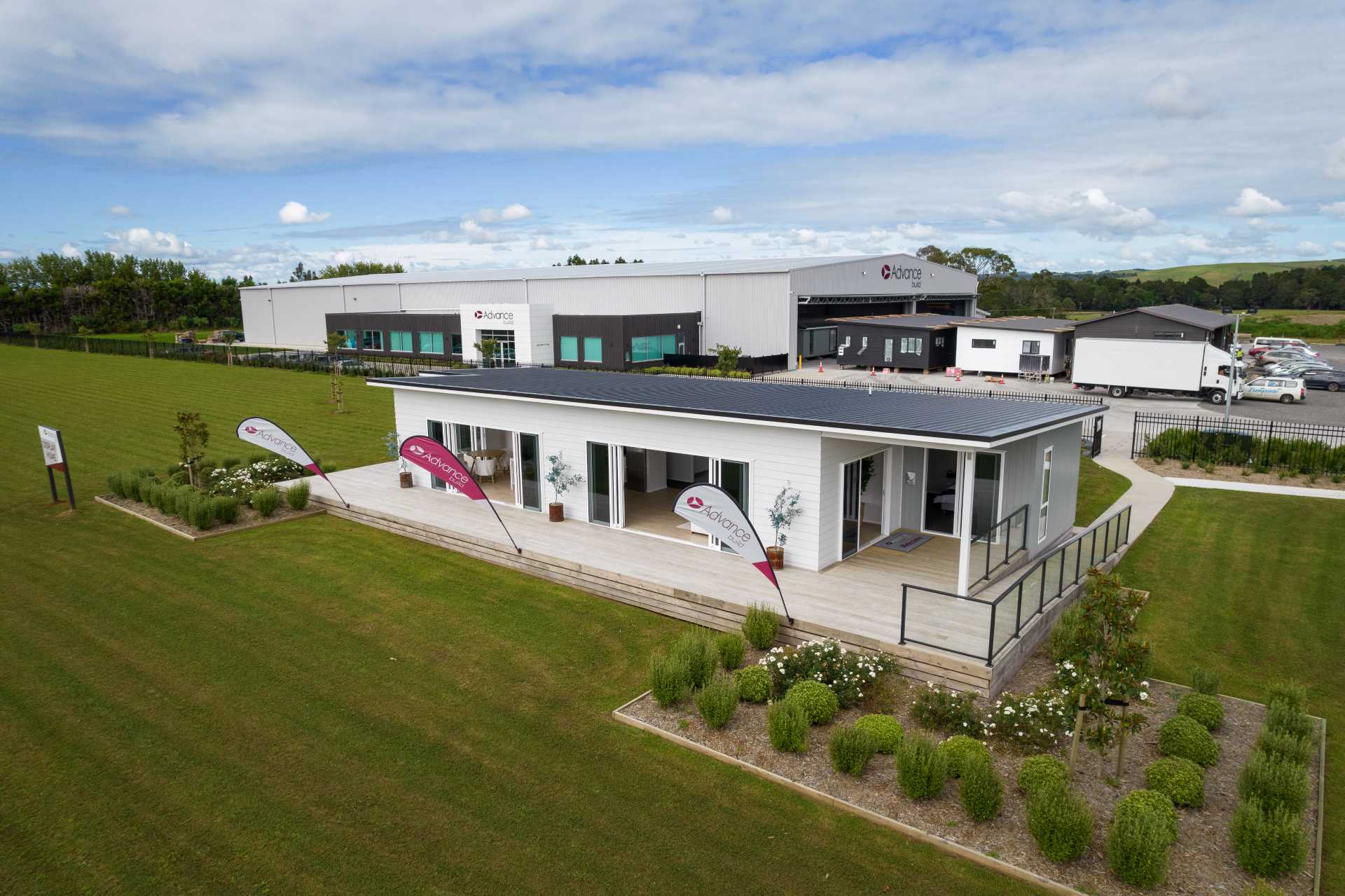
While foundations, council approvals and site works can all introduce delays, you don’t need to manage them alone. The expert Advance Build team guides you through each step with clear communication, support and advice.
As Advance Build’s Director, Joseph Simpkin says:
‘Our factory-built homes give families certainty around cost, timeframes and quality,’ he explains. ‘Our expert team manages every part of the process from design through to delivery to provide clients with a hassle-free, straightforward building experience.’
If you’re ready to build your dream home with a trusted partner, start your journey by exploring Advance Build homes.
Get in touch with the team today.