
The club committee’s guide to building new clubrooms (without the stress)
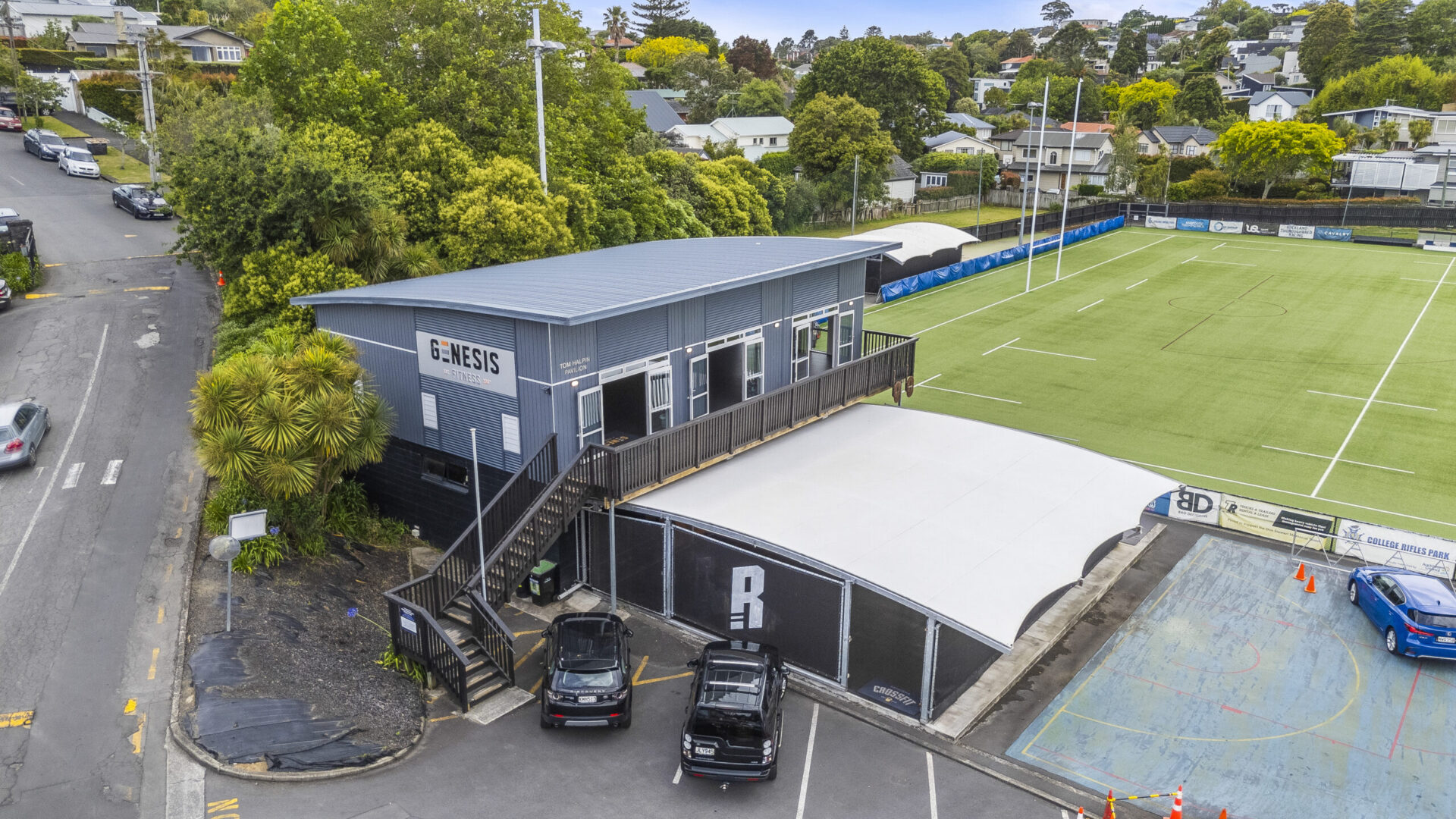
For many sports clubs across New Zealand, building a new clubroom or sports club house is a major (and much needed) milestone. But for volunteer committees without construction experience, the process can quickly become overwhelming.
That’s because building a new clubroom (or any sort of sports facilities) involves a lot of moving parts: planning, budgeting, design, consents and construction management. And without the right guidance, this can all get pretty complex.
This guide from Advance Build is here to help club committees navigate the journey without unnecessary stress, delays or cost surprises. It follows our proven 6-step approach – taking you from early ideas and inspiration through to a completed, ready-to-use facility.
It also covers the key differences between onsite and offsite construction, why prefab construction is faster (and more predictable) and how this approach can help you create new clubroom facilities – minus the disruption.
Step 1: Project discovery
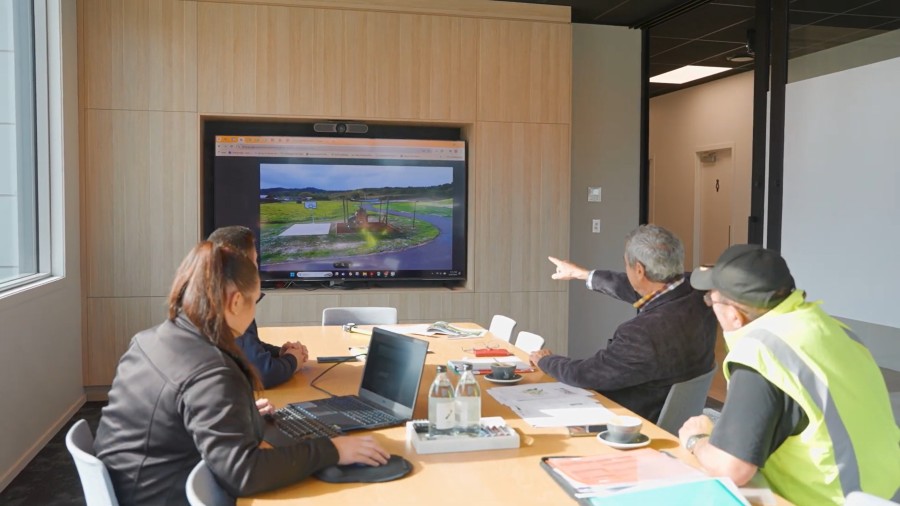
This first stage – and throughout the entire project – sees Advance Build partnering closely with your committee. They’ll help you define your club’s requirements and ensure all committee members are aligned on the project’s vision, scope, budget and priorities.
This means we can develop an informed scheme plan, together with an early cost estimate.
What does your club need?
Before you start building, it’s important to clarify what your club actually needs – not just today, but down the track.
Because here’s the thing: a modern sports club is no longer just a place to change before and after a game. Today’s clubrooms can be multi-use spaces that support players, volunteers and the wider community. And a well-designed space should improve the player and member experience by incorporating a practical layout that allows for easy flow between changing areas, social spaces and outdoor fields.
A modern sports club house typically includes:
- Changing rooms – Practical, durable spaces for teams and officials
- Showers and ablutions – Designed for high use and easy maintenance
- Social and lounge areas – Areas for post-game gatherings and community use
- Storage – Secure spots for equipment and gear
- Kitchen / bar facilities – Supporting events, functions and game days
- Meeting / admin space – For committee use and club operations.
Getting your committee on the same page
Much like any group project, it’s critical to align your committee. Without clear agreement early on, projects can (and do) drift.
The key is to set a clear direction from the outset.
Start by defining what success looks like for your club. Perhaps it’s about increasing capacity or improving player facilities. Or maybe you’re more focused on supporting community use or planning for future growth.
Then, prioritise your must-haves over nice-to-haves. This will help keep things focused and within budget.
It also helps to nominate a single project lead as the main point of contact with your builder. This person doesn’t need construction experience – their role is purely to keep communication flowing and decisions moving.
A few simple ways to stay on track:
- Agree on a realistic budget range upfront
- Define your key priorities
- Nominate one club liaison for communication
- Set clear expectations around timeline and outcomes.
Taking the time to do this upfront will make the rest of the project far smoother.
Budgeting without surprises
Budget is often the biggest concern for club committees – and one of the hardest aspects to control without the right approach.
The main factors affecting clubroom build costs are:
- Size and complexity of the building
- Site conditions and accessibility
- Services (e.g. water, power, drainage)
- Standard of fitout and finishes.
During traditional onsite build projects, some of these factors can shift – leading to unexpected variations and cost increases.
Offsite prefab construction helps reduce that uncertainty. With fixed factory pricing, a clearly defined scope and more controlled processes, costs are established earlier – and are less likely to change.
All of which means fewer surprises (and more confidence) in your budget from Day 1.
Step 2: Getting started
Once your scope and budget are clearly spelled out, it’s time to get the paperwork in place.
In New Zealand, building clubrooms or sports houses requires council consents, compliance checks and usually third-party reports (e.g. engineering or site assessments). This stage can be tedious – and is prone to delays if not managed properly.
At Advance Build, the entire process is handled for you. After signing the Project Starter Pack and paying the initial deposit (which is later deducted from your first invoice), the team carries out all the necessary project analysis. This helps them confirm feasibility and provide accurate costings.
Specifically, the process includes:
- Managing third-party reports
- Preparing documentation for council
- Handling consent applications and approvals.
This means club committees don’t need to navigate this (often complex) phase themselves, helping the project maintain momentum.
Step 3: The contract
Once everything has been reviewed and agreed on, the project moves into the contract stage.
At this point, all details are finalised. Once you’ve signed the contract, Advance Build will complete the final project design and submit the drawings to council for approval.
Meanwhile, the pre-construction team steps in to complete documentation and prepare everything for the build phase. Importantly, your scope, pricing and timelines are locked in before construction begins. This reduces the risk of unexpected changes later on.
The deposit you paid during the Getting Started phase is deducted from your first invoice and your project is set to move into one of the most exciting stages: construction.
Step 4: Factory build
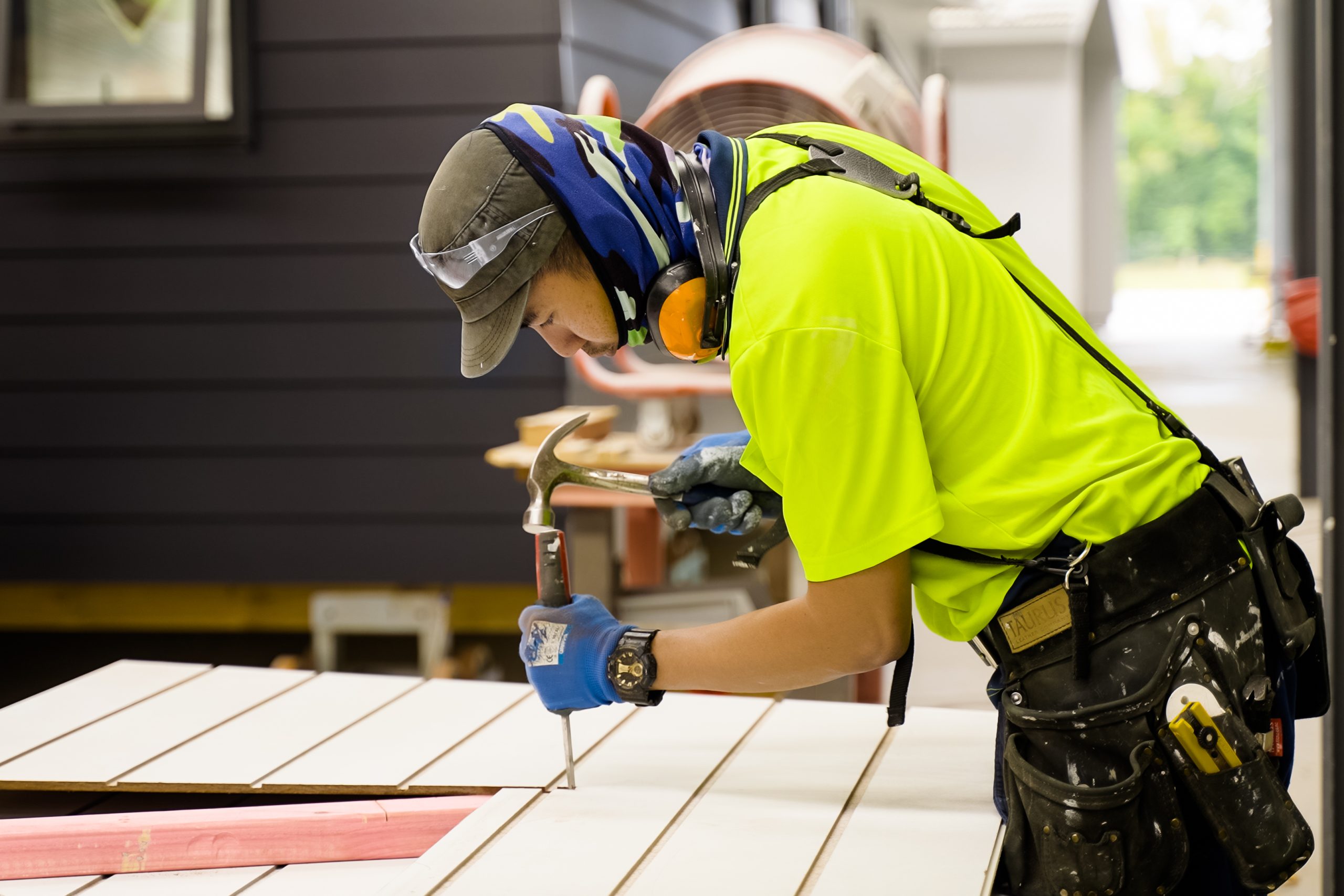
Once everything is approved, building begins. But it doesn’t happen onsite like a traditional project: your prefab clubroom is built offsite in a controlled factory environment.
This construction phase typically involves manufacturing the building in sections (or modules), with each stage carefully managed to ensure high quality and consistency. At Advance Build, this process takes around 8 weeks.
At the same time, the onsite team prepares the site and foundations – meaning two elements of the project can progress in parallel. This speeds up the overall build time significantly (it can be up to 62% faster than traditional construction!)
Throughout the factory build, you’ll receive regular updates (with photos) so your committee can track progress. You’re also welcome to visit the factory to see your new prefab sports building take shape.
Step 5: Onsite construction
Once your prefabricated clubroom (or other facility) is complete, it’s delivered to site and installed by the Advance Build team.
With most of the construction happening offsite, the onsite phase is far shorter – and more streamlined – than a traditional build. There are fewer trades involved and less overall time spent onsite, meaning minimal disruption to your club’s day-to-day operations and playing spaces.
The best bit? Advance Build takes a true turnkey approach to building. This means the team manages everything from delivery and installation, right through to service connections. This allows your committee to step back from the time-consuming coordination tasks and remain focused on the club and its members.
Step 6: Handover
Your prefab clubroom is finished and ready to use!
You’ll receive your Code Compliance Certificate, along with all relevant warranties and documentation – giving you confidence everything is up to standard. Like we said above, this is all part of Advance Build’s turnkey approach: where one provider manages the entire process for you.
For club committees, it’s a far more straightforward, less stressful way to build or expand facilities. It means fewer jobs to juggle, clearer communication and a far simpler experience overall.
Why more Kiwi clubs are choosing prefab sports buildings
Prefab sports buildings are becoming popular in New Zealand because they offer a faster, more certain way to deliver modern clubrooms – without the complexity of traditional onsite construction.
For club committees, the benefits are clear:
- Quicker build times
- Less disruption to club operations
- More predictable project costs
- Flexible, scalable designs
- Well-suited to regional and rural locations.
For many clubs, prefab is a simpler, more reliable way to turn plans into fresh, functioning facilities.
The checklist every clubroom committee needs
Before you start, remember to:
- Confirm budget
- Define needs
- Assess site
- Choose build method
- Agree on timeline
Tick these off early – and avoid delays later on.
Looking at building a new clubroom?
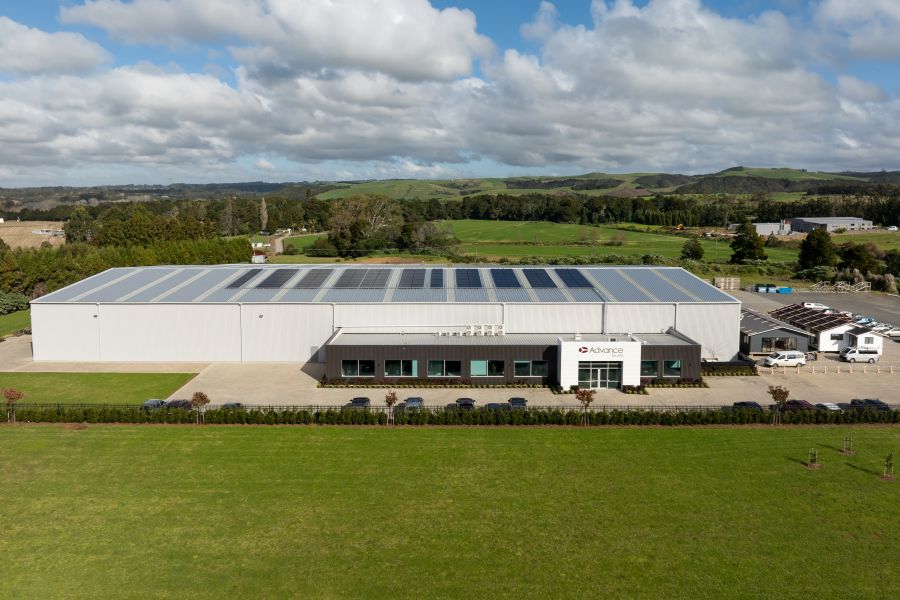
It doesn’t need to be complicated. With an experienced partner like Advance Build by your side, you can leave the hard work to someone else.
Because with the right approach, creating a new clubroom or sports house can be a straightforward, stress-free and rewarding process.